
Vitamin A is a fat soluble vitamin within the retinoic acid class. A fat soluble vitamin is one that is absorbed with the fats in your diet and can be stored in the tissues of the body.
There are two main forms of Vitamin A.
Pre-formed Vitamin A (retinol and retinyl ester). Pre-formed Vitamin A is the most active and absorbed form of vitamin A.
Provitamin A- Carotenoids (alpha carotene, beta carotene and beta-cryptoxanthin).
Both of the forms of Vitamin A are converted within the body to retinal and retinoic acid which are the active forms of Vitamin A and contain the health benefits.
Some of the documented health benefits of Vitamin A include:
- Supports proper fetal development.
- Supports eye health
- Supports a healthy immune system
- Plays a role in skin health
- Supports normal cell growth
- Maintains the health of tissues
- Protects against chronic diseases such as diabetes, cancer, heart disease and dementia through its antioxidant power
- Supports male and female fertility
Most people living in developed countries are able to obtain adequate vitamin A through their diets.
Examples of Food Sources of Preformed Vitamin A/Retinol include:
- Organ meats such as beef liver and liver sausage
- Egg yolks
- Seafood such as trout, herring and mackerel
- Fish Oils such as Cod liver oil
- Dairy such as cheddar cheese, butter, whole milk
- Fortified Oats

Examples of Food Sources of Provitamin A Carotenoids include:
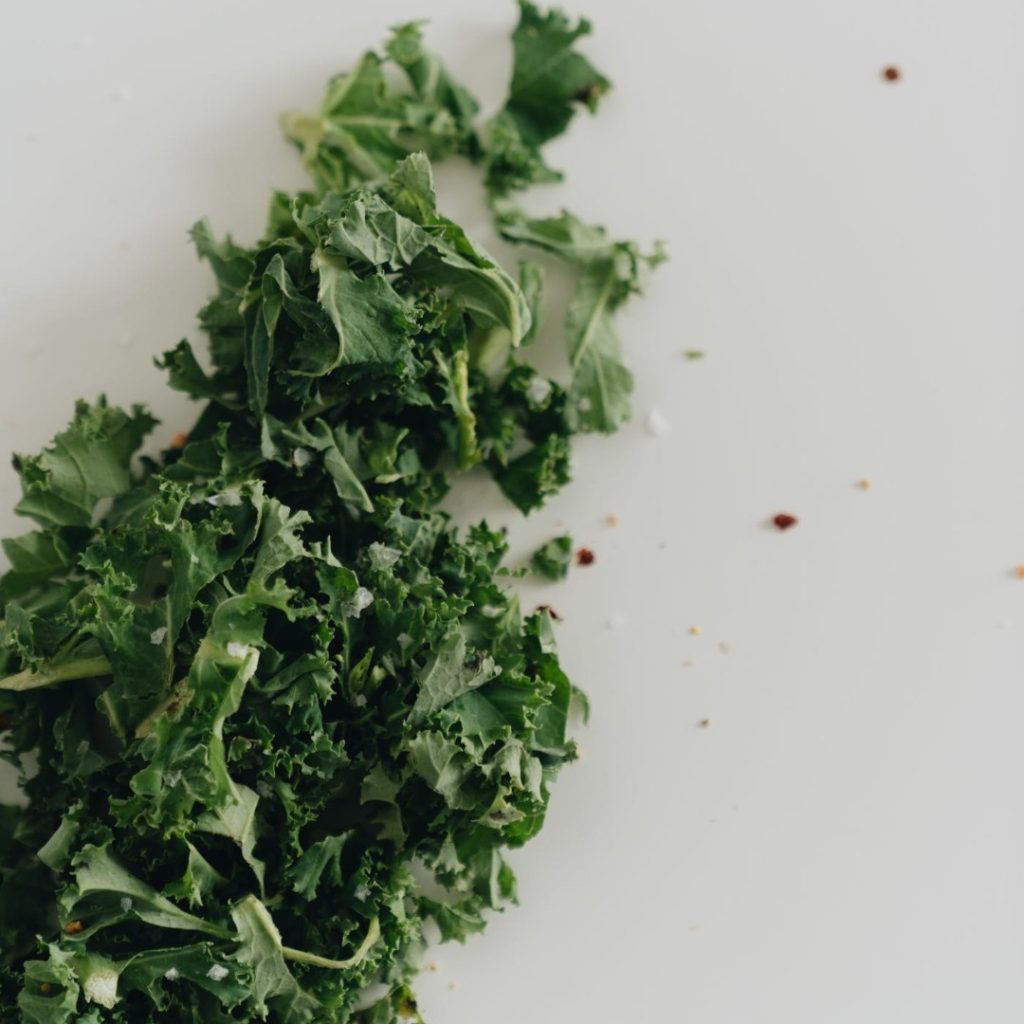
- Leafy greens such as spinach, kale, collard greens
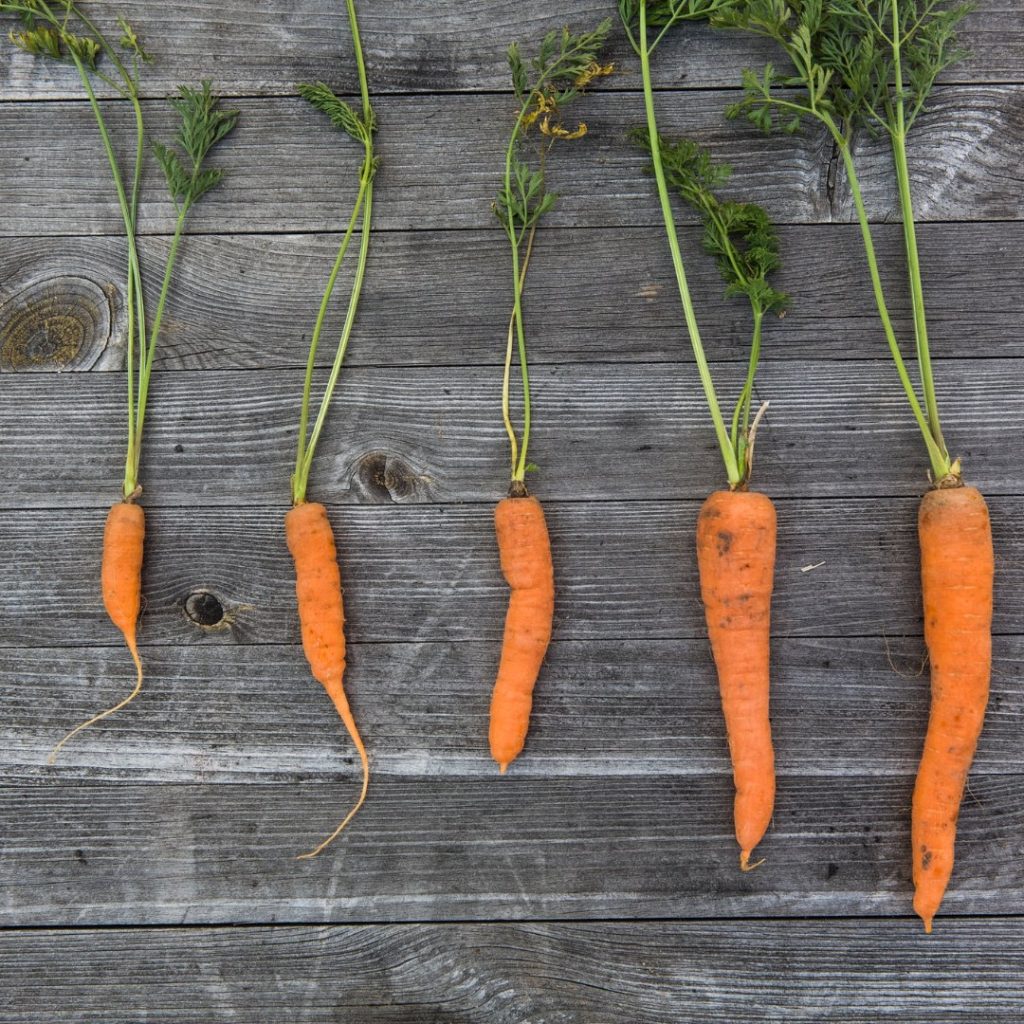
- Carrots
- Sweet potatoes
- Winter Squash such as kabocha squash, acorn squash, butternut squash and pumpkin
- Cantaloupe

Vitamin A deficiency is very rare in the United States but common in many developing countries. Common signs and symptoms of Vitamin A deficiency include:
- Retinopathy
- Night blindness
- Dry Eyes
- Poor bone growth
- Hyperkeratosis
- Immune system dysfunction
- Abnormal fetal development
- Anemia in pregnancy
Recommended Daily Allowance for Adults:
Men- 900 mcg
Women- 700 mcg
Upper daily limit is 3000mcg (do not exceed)
Toxicity of Vitamin A is possible and can be dangerous. This is uncommon with consumption of carotenoids and instead is usually the results of supplements, therapeutic vitamin A or large consumption of preformed Vitamin A foods such as organ meats. Signs and symptoms of Vitamin A toxicity include:
- Vision changes
- Liver toxicity
- Hair loss
- Skin changes such as itchy skin, dry skin and yellowing of the skin
- Decreased appetite
- Growth abnormalities
- Birth Defects
In summary, Vitamin A has a host of health benefits and there are numerous healthy food options you can include to obtain your daily requirements.

This article is for information only and is not to be considered medical advice. Prior to starting any diet or taking supplements, always consult your treating physician.
Wondering what your vitamin levels are? Check out Rootine.
References:
Institute of Functional Medicine Handout. Food Sources of Vitamin A. Accessed 2020.
Mayoclinic.org. Mayo Clinic Staff. Vitamin A. Accessed 2020. https://www.mayoclinic.org/drugs-supplements-vitamin-a/art-20365945
UptoDate.com. Pazirandeh et al. Overview of Vitamin A. August 21, 2020.
National Institute of Health. Vitamin A for Health Professionals. https://ods.od.nih.gov/factsheets/VitaminA-HealthProfessional/
